


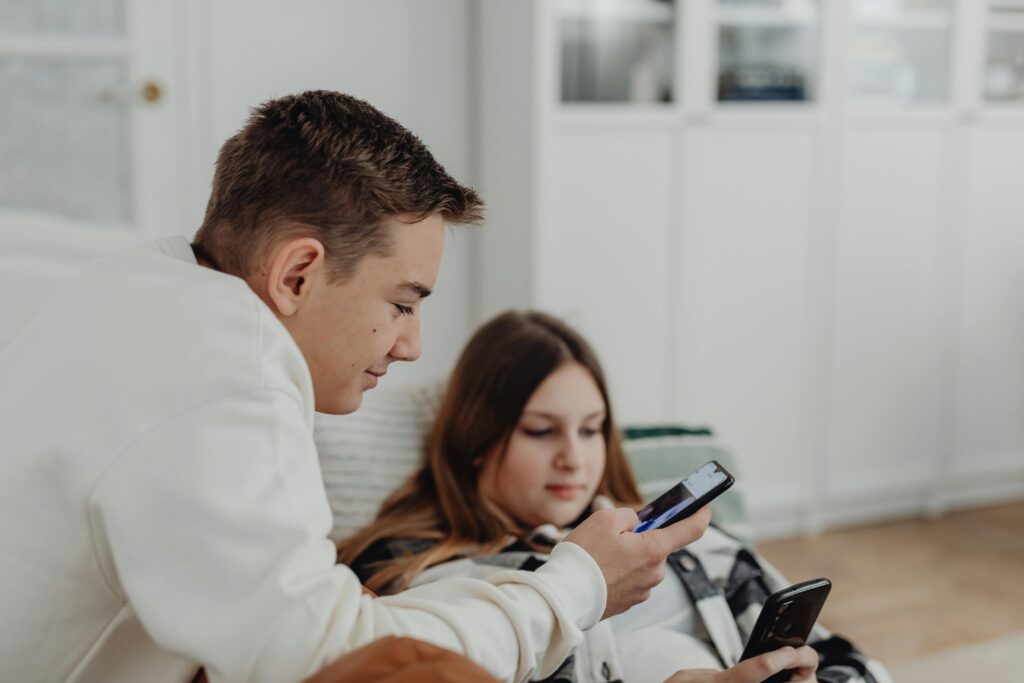
For platforms designed to keep people connected, social media may actually be changing how humans communicate with each other and not necessarily for the better.
Over the last decade, communication has become faster, shorter, and more performative than ever before. Conversations that once happened face-to-face now unfold through disappearing stories, reaction emojis, voice notes, TikToks, memes, and carefully curated captions. While technology has made communication more accessible, many researchers and psychologists believe it may also be weakening some of the deeper social skills humans once relied on naturally.
One of the biggest shifts is attention span. Social media has trained people to consume information quickly, often in seconds. As platforms prioritize short-form content and rapid engagement, communication itself has started becoming condensed. Long conversations are increasingly replaced by fragmented replies, abbreviations, reaction culture, and passive interaction through likes or reposts rather than meaningful discussion.


Many experts argue this has changed how people listen. Instead of fully engaging in conversations, people are often multitasking, checking notifications, or mentally preparing responses before the other person has finished speaking. Constant digital stimulation has made sustained attention harder, even during in-person interactions.
Social media has also introduced a new layer of performance into communication. Online, people are often communicating not only with one person, but with an invisible audience watching everything. Posts, opinions, and even casual interactions can feel curated for validation, engagement, or social approval. Over time, some psychologists believe this encourages people to prioritize perception over authenticity.
At the same time, conflict online tends to operate differently than real-life communication. Tone is easily misunderstood through screens, nuance disappears quickly, and algorithms often reward outrage, immediacy, and emotional reactions over thoughtful discussion. Many researchers suggest this has contributed to shorter patience, more polarized conversations, and a decline in constructive disagreement.


Ironically, despite being constantly connected, many people report feeling less socially fulfilled. Texting and social media allow people to maintain more connections than ever before, but those interactions can sometimes feel shallow or emotionally incomplete compared to face-to-face communication. Studies continue showing that in-person interaction plays a major role in emotional connection, empathy, and relationship-building in ways digital communication still struggles to replicate.
That doesn’t mean social media is entirely harmful. Platforms have created communities, amplified marginalized voices, allowed people to maintain long-distance relationships, and completely reshaped how humans share ideas and culture. For many people, online communication has opened doors that would not have existed otherwise.
But there is growing awareness that constant digital interaction may be subtly changing how humans express themselves, handle disagreement, maintain attention, and emotionally connect with one another.
The bigger concern among experts is not that people communicate less today.
It’s that many people may be forgetting how to communicate deeply.