


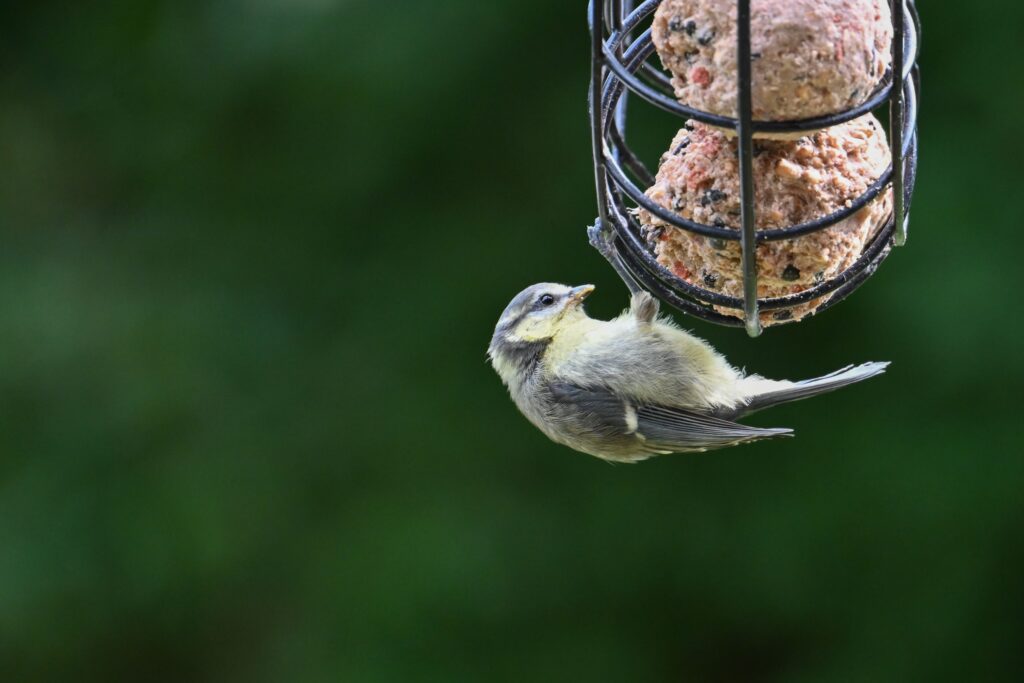
Improving brain health is often associated with crossword puzzles, learning a new language, or staying physically active. While those habits continue to be supported by research, scientists are increasingly discovering that one of the most effective ways to challenge the brain may also be one of the simplest: paying attention to the natural world.
A new study suggests that birdwatching does far more than encourage people to spend time outdoors. Researchers found that experienced birders showed measurable differences in brain structure and function compared with people who were less familiar with identifying birds. The findings suggest that regularly observing and distinguishing different bird species can strengthen the brain’s ability to process complex visual and auditory information, highlighting the remarkable adaptability of the human brain.
Birdwatching may appear to be a leisurely hobby, but it engages a wide range of cognitive skills. Identifying birds requires close attention to colour, shape, movement, habitat, and song, often combining visual and auditory clues in real time. Over months and years, repeatedly practicing these skills appears to reshape the neural pathways involved in perception, memory, and recognition, a process known as neuroplasticity.


The research also reinforces a growing understanding of how mentally stimulating hobbies can support healthy aging. Activities that require learning, observation, and sustained attention help keep the brain engaged while encouraging curiosity and lifelong learning. Unlike structured brain training exercises, birdwatching combines cognitive challenges with time spent outdoors, physical movement, and exposure to nature, all of which have been independently linked to improved mental well being.
One of the study’s most encouraging findings is that birdwatching does not require specialized equipment or extensive experience to begin. Whether identifying backyard visitors, listening for birds during a morning walk, or exploring local parks, simply becoming more aware of the wildlife around us offers an opportunity to exercise the brain in new ways. As familiarity grows, so does the challenge, creating an activity that naturally becomes more rewarding over time.
As researchers continue exploring the relationship between nature and cognitive health, studies like this suggest that some of the best opportunities for keeping the mind sharp may not be found indoors at all. Sometimes, improving brain health can begin with something as simple as looking out the window, listening for birdsong, and taking a closer look at the world outside.