


Ottawa is moving ahead with one of the largest electric transit conversions in Canada, but the rollout is unfolding gradually as the city tests how the technology performs in real-world conditions.
City council approved a plan to purchase 350 zero-emission buses by 2027, part of a broader strategy to replace OC Transpo’s diesel fleet and move to fully electric buses by 2036.
The transition carries a price tag of roughly $1 billion, including the buses themselves, charging systems, and upgrades to transit garages needed to support electric vehicles.


The shift is part of Ottawa’s Energy Evolution strategy, which aims to significantly reduce greenhouse-gas emissions from municipal operations.
But while the long-term direction is clear, the rollout has raised practical questions about how electric buses perform in a northern climate.
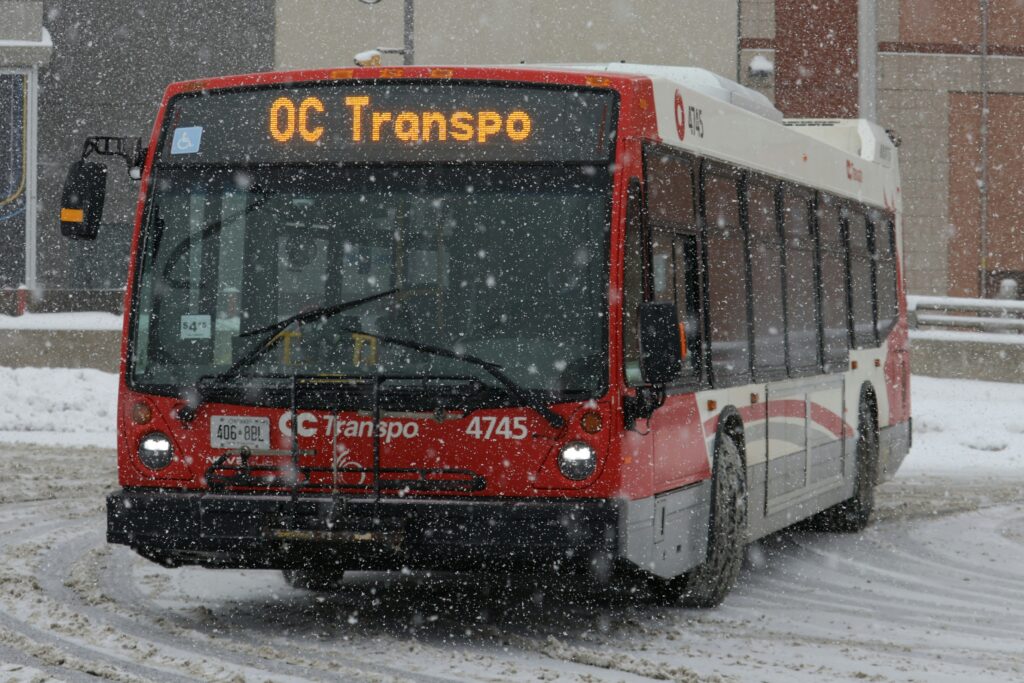
Cold temperatures can affect battery performance, reducing vehicle range and increasing energy demand for heating systems. For cities like Ottawa, where winter conditions regularly include prolonged sub-zero temperatures, that factor becomes a key operational consideration.


To address this, OC Transpo began introducing electric buses in smaller batches while expanding charging infrastructure and retrofitting transit garages. The goal is to gradually scale the fleet while monitoring performance in different seasons.
Electric buses are already in service in Ottawa, and more are scheduled to enter the fleet over the next several years. At the same time, the city continues to evaluate how charging capacity, route planning, and cold-weather performance affect day-to-day transit operations.
None of this changes the broader objective. Electrifying transit remains a core part of Ottawa’s climate strategy, and many cities across Canada are pursuing similar transitions.
What it does mean is that the shift to electric buses will likely happen incrementally, with adjustments along the way as the technology is tested against the realities of Ottawa’s climate and transit network.