


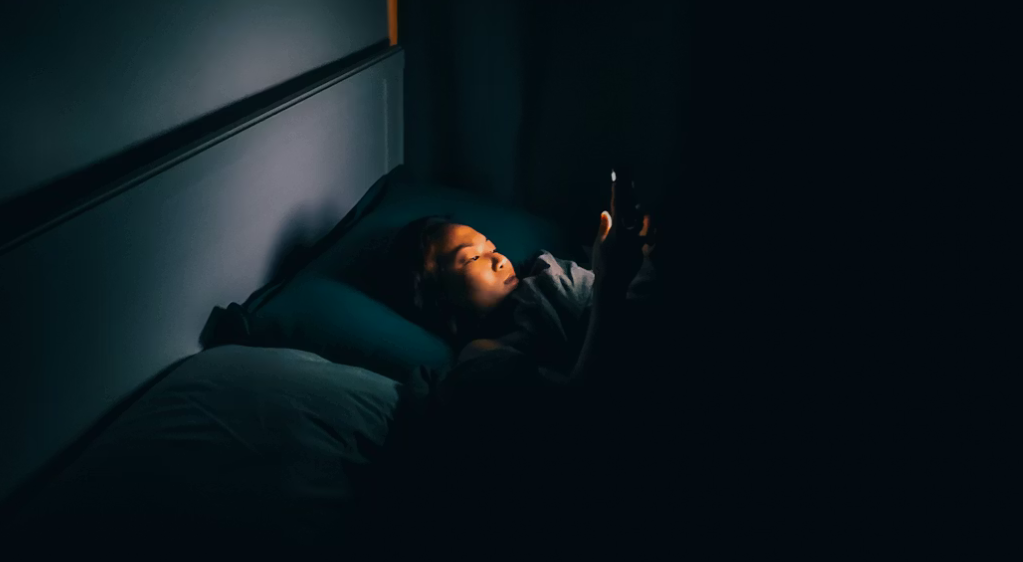
Falling asleep has become harder for many people, and researchers think modern entertainment habits may be a major reason why.
Sleep scientists and psychologists say the human brain is increasingly being conditioned to expect constant stimulation, thanks to endless scrolling, streaming platforms, short-form videos, and around-the-clock digital content. Instead of winding down naturally at night, many people are staying mentally engaged for hours longer than previous generations.
Experts point to what’s known as “revenge bedtime procrastination,” a growing behavior where people delay sleep in favor of entertainment, social media, or screen time, even when they know they are exhausted. Studies have linked the phenomenon to increased stress, burnout, and the feeling of wanting personal time after long workdays.


Part of the issue is how modern platforms are designed. Streaming services autoplay episodes, TikTok offers endless personalized scrolling, and social apps constantly refresh with new content. Researchers say these systems train the brain to anticipate continuous novelty and dopamine-driven stimulation, making it harder to recognize natural tiredness cues.
Blue light exposure also plays a major role. Studies have shown that screens suppress melatonin production, the hormone responsible for regulating sleep, while overstimulation before bed can keep the brain in a heightened state of alertness long after devices are put away.


The numbers reflect the shift. According to the CDC, more than one-third of adults regularly fail to get the recommended seven hours of sleep per night, while younger generations report some of the highest levels of late-night screen usage.
Researchers warn that chronic sleep deprivation has been linked to increased risks of anxiety, depression, heart disease, weakened immunity, memory problems, and burnout. At the same time, many experts believe society is only beginning to understand how constant digital entertainment is reshaping sleep behavior and attention spans.
As conversations around digital wellness continue growing in 2026, more people are experimenting with screen-free evenings, bedtime routines, app limits, and analog hobbies to help retrain the brain to slow down before sleep.
The growing concern among researchers is simple: when entertainment never truly ends, the brain may stop recognizing when it’s time to rest.