


Ottawa’s annual pothole season has become predictable. What changes each year is how the city tries to keep up.
This spring, crews are once again rolling out rapid-repair solutions, including specialized machines designed to fill potholes in minutes. The approach looks efficient on the surface, with some equipment capable of repairing a pothole in under two minutes and operating continuously throughout the day.
But the scale of the problem tells a different story.


Ottawa fills hundreds of thousands of potholes every year, with recent averages sitting above 200,000 annually. Even in just the early months of 2026, tens of thousands had already been repaired as crews raced to respond to winter damage.
The reason is structural. Potholes are not random. They are the result of repeated freeze-thaw cycles, where water seeps into cracks, freezes, expands, and breaks apart the asphalt. In Ottawa, that cycle can repeat dozens of times in a single winter, creating the conditions for widespread road damage.
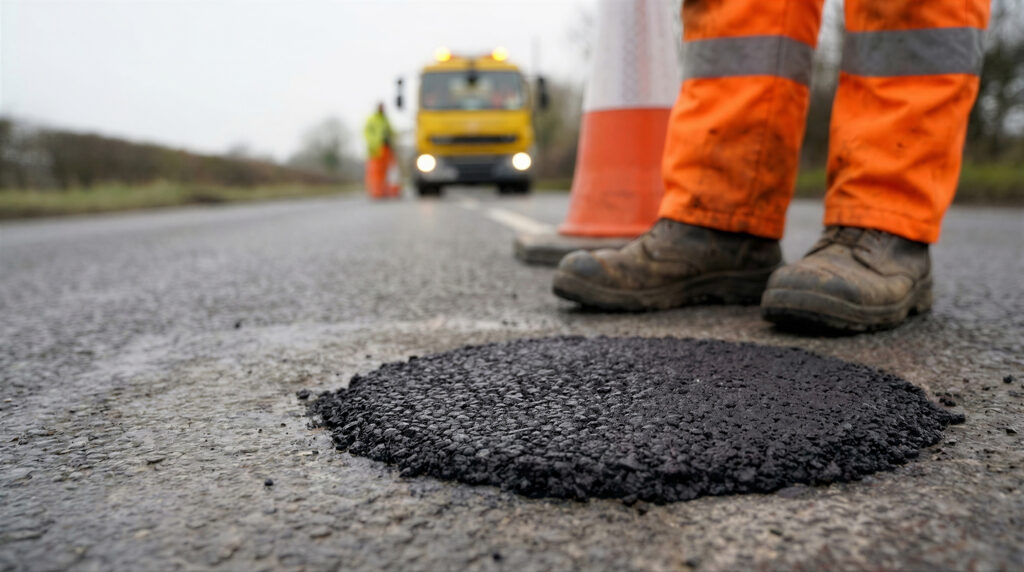
The city’s most common response is what’s often described as a quick fix. Crews fill potholes with asphalt, compact it, and move on. It restores the surface quickly, but it does not address the underlying weakness in the road.
That is where the gap begins.
Temporary repairs can break down just as quickly as they are applied, especially in high-traffic areas or during continued temperature swings. Some potholes need to be filled more than once in the same season, turning maintenance into a cycle rather than a solution.


Technology has helped speed things up, but not necessarily solve the issue. Machines like the Python patchers allow crews to work faster and more safely, yet they still operate within the same framework. Fill, compact, repeat.
At the same time, the size of Ottawa’s road network adds another layer of complexity. Covering an area comparable to Prince Edward Island, the city simply cannot monitor every street in real time. In many cases, repairs depend on residents reporting potholes after damage has already occurred.
The result is a system that prioritizes response over prevention.
Long-term solutions exist, including full road resurfacing or rebuilding with more durable materials, but those come with significantly higher upfront costs and longer timelines. That makes them harder to deploy at scale, even if they reduce maintenance in the long run.
For drivers, the experience is familiar. A pothole gets filled, disappears for a while, then returns in the same spot weeks later.
In that sense, Ottawa’s approach is not failing. It is functioning exactly as designed.
It is fast, visible, and reactive.
But as each spring brings the same cycle back to the surface, the question becomes harder to ignore. Is the city fixing potholes, or just keeping up with them?