


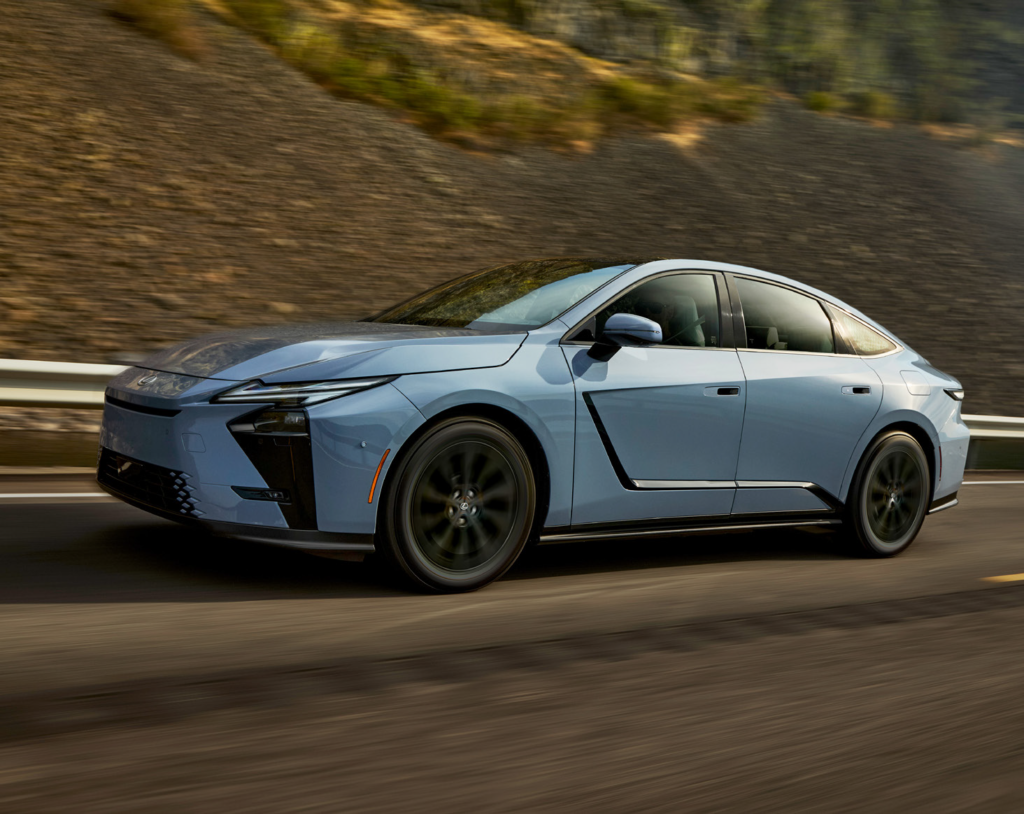
For Ottawa drivers looking at electrified vehicles, Tony Graham Lexus offers several ways to make the switch, from traditional hybrids to Plug-in Hybrids and fully electric models.
Part of the Tony Graham Automotive Group, Tony Graham Lexus has served drivers across the Ottawa region for decades, with both sales and service teams dedicated to the Lexus brand. As more drivers consider electrified vehicles, one of the most common questions is also one of the simplest: which type actually fits the way I drive?
For many Ottawa drivers, a Plug-in Hybrid can be a practical answer.


A Lexus Plug-in Hybrid combines a larger battery and electric motor with a gas engine. When the battery is charged, the vehicle can use electric power for shorter everyday trips. Once the available EV range has been used, it continues driving as a hybrid using its gas engine and electric system.
That setup can make sense for someone commuting around Ottawa during the week but regularly driving farther on weekends. Local errands and daily commuting can make use of electric power, while trips to Montreal, the cottage or elsewhere don’t have to be planned around charging stops.
Regenerative braking also captures some of the energy normally lost during braking and uses it to help recharge the battery while the vehicle is being driven.


Charging a Plug-in Hybrid
Another common misconception is that buying a Plug-in Hybrid means immediately installing a dedicated charger at home.
Lexus Plug-in Hybrids can be charged from a standard 120V household outlet. Drivers who want faster charging can install a Level 2 home charger, and Level 2 chargers are also available at many public charging locations.
For someone with access to an outlet at home, plugging in overnight can become a simple routine. The vehicle starts the next day with electric range available for commuting and local driving. And if you forget to plug it in, or use up the available EV range during the day, the vehicle does not leave you stranded. The gas engine remains available and the vehicle continues operating as a hybrid.


Plug-in Hybrid ownership may also require less adjustment than some drivers expect. Lexus Plug-in Hybrids can be charged using a standard 120V household outlet, meaning a dedicated home charger isn’t necessarily required. A Level 2 charger can be installed for faster charging and is also available at many public charging locations.
For regular commuters, charging overnight at home can make electric driving especially convenient. And because a Plug-in Hybrid still has a gas engine, drivers don’t have to plan longer trips around charging stops.


ChargePoint’s Home Flex is a Level 2 home charger that can deliver up to 50 amps when hardwired, with adjustable output to suit the vehicle and the home’s electrical capacity.
An Easier First Step
That flexibility is one reason Plug-in Hybrids can appeal to drivers who are interested in electric driving but aren’t ready to move to a fully electric vehicle.
There is no need to change how longer trips are planned, and the everyday driving experience remains familiar. Owners can simply use electric power when it suits their routine and gasoline when it is needed.
For drivers comparing their options, the Tony Graham Lexus team can explain the differences between Hybrid, Plug-in Hybrid and Battery Electric Lexus models based on commuting distance, access to home charging and the types of longer trips they regularly take.
The support also continues after purchase. Tony Graham Lexus has five Lexus Master Technicians on its Service team, with Lexus-trained technicians equipped to inspect, maintain and service Lexus electrified vehicles.
For Ottawa drivers who want to use electric power more often without relying on it exclusively, a Plug-in Hybrid offers a straightforward middle ground between a conventional hybrid and a fully electric vehicle.

