


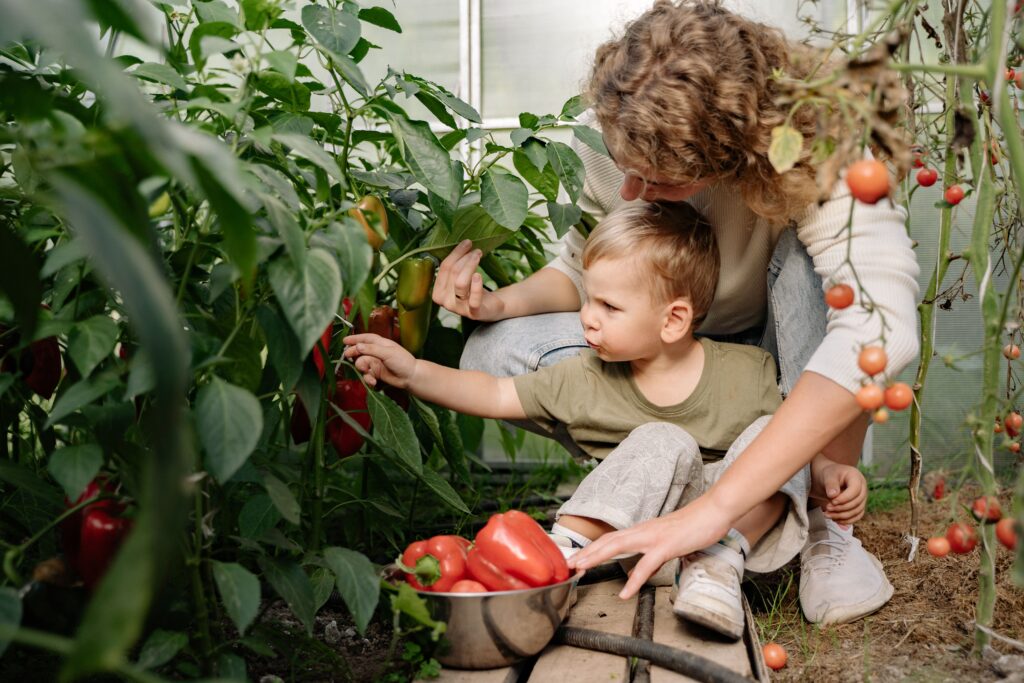
Looking for a simple way to support healthy aging? The answer may be growing right in your backyard.
A growing body of research suggests that gardening offers more than beautiful flowers and fresh vegetables, it may also help older adults stay healthier, happier, and more independent as they age. From boosting physical activity to supporting mental well-being, experts say gardening is emerging as one of the most accessible wellness activities for older adults.
A recent study from the Mather Institute found that many older adults view gardening as an effective way to stay active while also supporting their emotional well-being. Participants reported that gardening helped reduce stress, improve mood, and encourage healthier eating habits, including increased fruit and vegetable consumption. Researchers described gardening as a simple but meaningful activity that can contribute to aging well.


The benefits appear to extend beyond general wellness. Researchers from the University of Edinburgh found that older adults who spent time gardening demonstrated better cognitive function later in life than those who did not. Even after accounting for factors such as education, childhood intelligence, health status, and overall physical activity levels, gardeners continued to show stronger thinking and memory skills.
Another long-term study following older adults into their 90s found that frequent gardeners experienced better psychological well-being, stronger physical function, and a lower risk of mortality compared to those who rarely or never gardened. Researchers also observed that participants who gardened regularly tended to maintain their mobility longer and showed signs of slower biological aging.


Part of gardening’s appeal lies in its simplicity. Unlike many fitness programs, it doesn’t require a gym membership, expensive equipment, or a strict schedule. Digging, planting, weeding, and watering all involve gentle physical movement, making gardening a low-impact form of exercise that many older adults can enjoy. Research has shown that many gardening tasks qualify as light-to-moderate physical activity, helping individuals stay active without the intensity of traditional workouts.
Gardening may also provide mental and emotional benefits. Spending time outdoors, nurturing plants, and watching a garden grow can create a sense of purpose and accomplishment. Many older adults describe gardening as calming, rewarding, and restorative. The activity combines physical movement with problem-solving, planning, creativity, and time in nature, a combination researchers believe may contribute to better overall well-being.
As interest in healthy aging continues to grow, gardening is increasingly being recognized as more than just a hobby. While experts emphasize that no single activity can guarantee longevity or prevent age-related health conditions, the evidence suggests that gardening can be a valuable part of a healthy lifestyle.
For those looking to improve their health without dramatically changing their routine, the solution may be as simple as picking up a trowel, planting a few seeds, and spending more time outdoors. Sometimes, the path to healthier aging begins with a garden.